
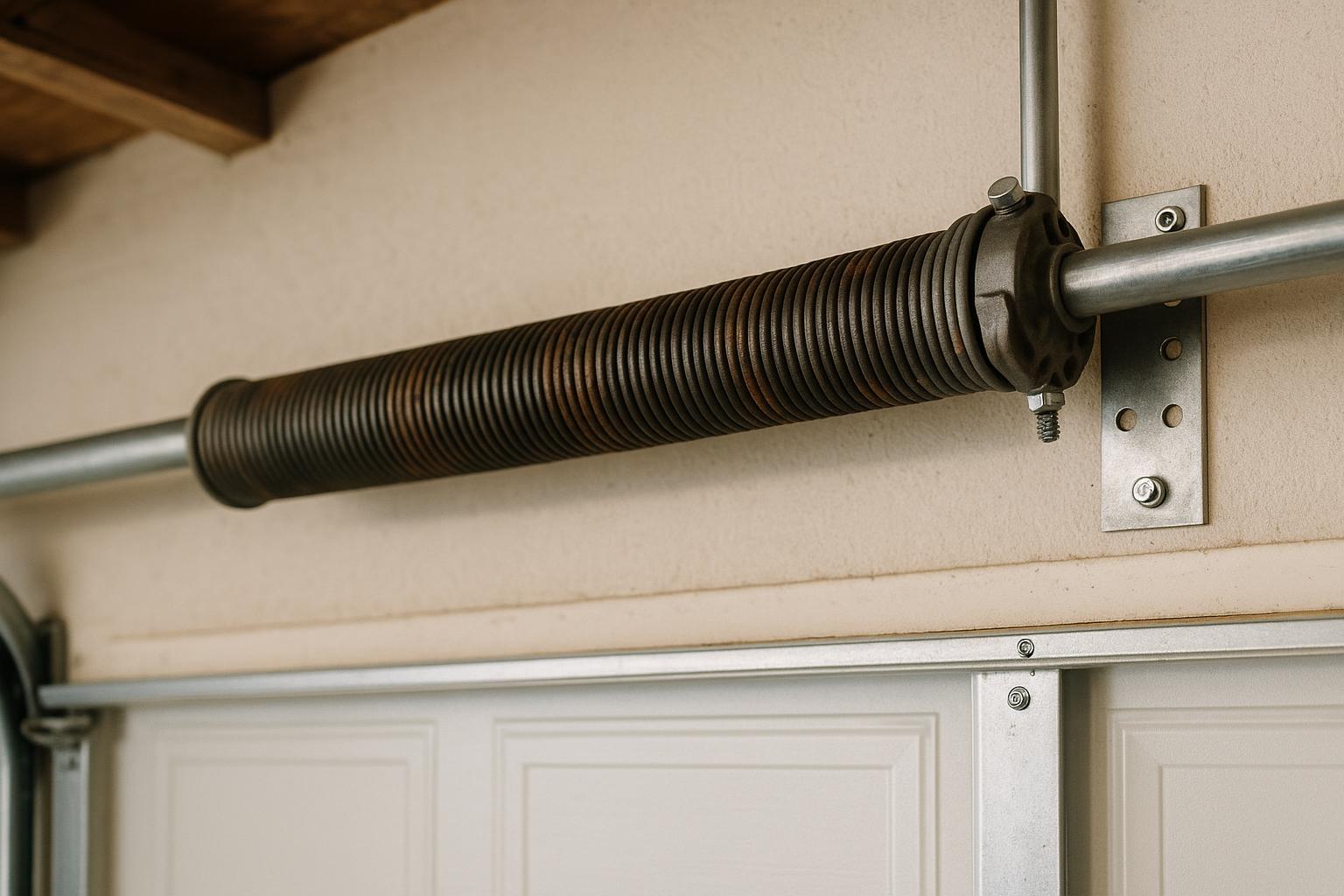
Your Garage Door Springs Won't Last Forever — Here's How to Stay Ahead
If you've ever had a garage door spring snap, you know it's not a subtle event. The loud bang, the door that suddenly won't open, the panic of being late for work — it's one of the most common and most disruptive garage door failures homeowners in Boaz deal with. But here's the good news: springs rarely break without warning. If you know what to look for, you can replace them on your schedule instead of dealing with an emergency.
At Boaz Garage Door Specialists, we replace worn-out springs every week for homeowners across Marshall County. In this post, we'll walk you through the telltale signs that your springs are nearing the end of their life so you can take action before they fail completely.
Why Garage Door Springs Matter So Much
Your garage door is likely the heaviest moving object in your home, often weighing between 150 and 400 pounds depending on the material and size. The springs do the heavy lifting — literally. They counterbalance the weight of the door so that your opener (or your arms) only need to apply a small amount of force to raise and lower it.
When springs are in good shape, everything works smoothly. When they're worn out or broken, your door becomes difficult or impossible to operate, and forcing it can damage your opener, cables, or the door itself.
How Long Do Garage Door Springs Typically Last?
Most standard torsion springs are rated for about 10,000 cycles. One cycle equals one full open and one full close. If your household opens and closes the garage door four times a day, that's roughly 1,460 cycles per year — meaning your springs could last about seven years.
However, several factors can shorten that lifespan:
- Temperature swings: Here in Boaz and the surrounding areas like Albertville and Guntersville, we experience hot summers and cool winters. These temperature fluctuations cause the metal in springs to expand and contract, which accelerates wear over time.
- Lack of maintenance: Springs that aren't lubricated regularly develop more friction and rust, which weakens them faster.
- Improper installation: If springs weren't sized or installed correctly in the first place, they'll wear out much sooner than expected.
- Heavy usage: Families with multiple drivers or home-based businesses that use the garage frequently will burn through cycles faster.
7 Warning Signs Your Garage Door Springs Are Failing
1. The Door Feels Heavier Than Usual
Try this simple test: disconnect your garage door opener by pulling the emergency release cord, then manually lift the door about halfway. A properly balanced door should stay in place on its own. If it feels unusually heavy or slides back down, your springs are losing tension and struggling to support the door's weight.
2. The Door Opens Unevenly or Crooked
If one side of your door rises faster than the other, it could mean one spring is weaker than its counterpart. This is especially common on two-spring systems where one spring has more wear. An uneven door puts extra stress on your tracks, rollers, and opener.
3. You Hear Squeaking or Grinding Noises
Some noise during operation is normal, but new or worsening squeaking, grinding, or popping sounds can indicate that your springs are corroded, dry, or developing micro-fractures. Don't ignore unusual sounds — they're your door's way of asking for help.
4. Visible Gaps in the Spring Coils
Take a look at your torsion spring, which is mounted on the shaft above the door. A healthy spring has tightly wound coils with uniform spacing. If you notice gaps between coils or sections where the spring looks stretched out, it's a clear sign of fatigue. If you see a visible separation or break, the spring has already failed.
5. The Door Slams Shut Quickly
When springs lose their ability to counterbalance the door's weight, gravity takes over. If your door closes faster than it used to or slams down the last few inches, weakened springs are likely the cause. This is also a safety concern, especially for families with children or pets in Arab, Sardis City, and throughout the area.
6. Your Opener Is Straining
Is your garage door opener making more noise than usual, running longer, or struggling to complete a full cycle? When springs weaken, the opener has to compensate by working harder. This not only shortens the life of your opener but can also lead to a complete opener failure — turning one repair into two.
7. Rust on the Springs
Rust is a spring's worst enemy. It increases friction between the coils and eats away at the metal's integrity. If you see visible rust on your springs, it's worth having them inspected by a professional. Regular lubrication with a silicone-based spray can slow rust development, but once corrosion is significant, replacement is the safest option.
Can You Replace Garage Door Springs Yourself?
We strongly advise against DIY spring replacement. Garage door springs are under extreme tension, and a mistake during removal or installation can cause serious injury or even death. Every year, emergency rooms across the country treat people who attempted this repair without proper tools and training.
Professional spring replacement is one of the most affordable garage door repairs, and it's simply not worth the risk to do it yourself. A trained technician can complete the job safely in about an hour, and you'll have peace of mind knowing it's done right.
Why Replacing Springs Before They Break Saves You Money
When a spring snaps unexpectedly, it often causes collateral damage. The sudden release of tension can send cables flying, bend tracks, damage panels, or burn out your opener motor. What could have been a straightforward spring replacement turns into a much more expensive repair.
Proactive replacement also means you get to choose when the work happens. No missed appointments, no being stuck with your car trapped in the garage, and no emergency service fees.
What to Expect When You Call for Spring Replacement
When you contact Boaz Garage Door Specialists for a spring inspection or replacement, here's what the process looks like:
- We assess your current springs and overall door balance.
- We recommend the right spring type and size for your specific door.
- We replace the springs, adjust the tension, and lubricate all moving parts.
- We test the door through several cycles to ensure smooth, balanced operation.
- We inspect related components like cables, rollers, and hinges for any additional wear.
We serve homeowners throughout Boaz, Crossville, Guntersville, and the entire Marshall County region with honest pricing and no surprise fees.
Keep Your Garage Door Running Safely and Smoothly
Your garage door springs work hard every single day, and they deserve a little attention before they give out. If you've noticed any of the warning signs we covered — a heavy door, strange noises, visible rust, or an opener that's working overtime — don't wait for a full failure. A quick inspection now can save you from a stressful and expensive breakdown later.
Ready to have your springs checked? Contact Boaz Garage Door Specialists today to schedule an inspection. We'll give you an honest assessment and get your door back in top shape.