
Your Garage Door Is Heavier Than You Think
Most homeowners don't think of their garage door as dangerous. It goes up, it comes down, and it works so reliably that it fades into the background of daily life. But the truth is, a standard residential garage door weighs between 150 and 400 pounds. That's a serious amount of force moving along a track — and if a child or pet happens to be in the wrong place at the wrong time, the consequences can be devastating.
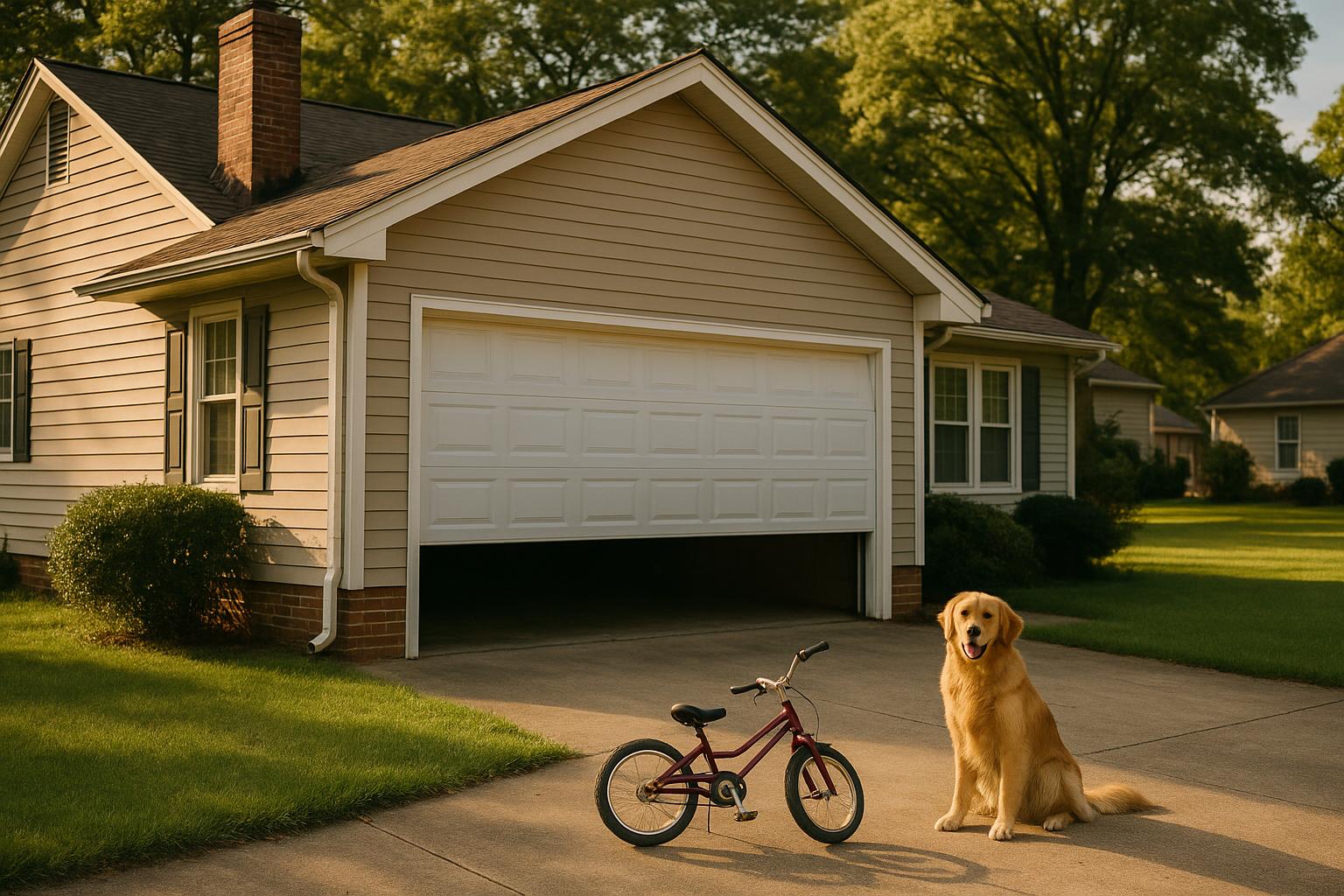
Here in Boaz, where many families enjoy the space and comfort of homes with attached garages, the garage door often gets used dozens of times a day. Kids ride bikes in and out. Dogs wander through. Toddlers play near the driveway. All of that activity means more opportunities for accidents if your garage door system isn't properly maintained and equipped with modern safety features.
The good news is that making your garage door safer doesn't have to be complicated or expensive. Let's walk through the most important steps you can take to protect your family.
Check Your Auto-Reverse Feature
Since 1993, federal law has required all garage door openers sold in the United States to include an auto-reverse mechanism. This feature forces the door to reverse direction if it encounters an obstruction while closing. There are two types:
- Mechanical auto-reverse: The door reverses when it physically contacts an object in its path.
- Photoelectric sensors: Two small sensors mounted near the bottom of the door frame project an invisible beam. If anything breaks that beam while the door is closing, the door automatically reverses.
Both systems are critical for safety, and both need to be tested regularly. Here's how to check them:
Testing the Mechanical Reverse
Place a roll of paper towels or a piece of 2x4 lumber flat on the ground in the door's path. Close the door using your remote or wall button. When the door contacts the object, it should immediately reverse direction. If it doesn't, your opener needs adjustment or repair right away.
Testing the Photoelectric Sensors
Start closing the door, then wave a broom handle or similar object through the sensor beam near the floor. The door should stop and reverse. If it doesn't, check that the sensors are aligned, clean, and free of obstructions. If they still don't work properly, it's time to call a professional.
We recommend Boaz homeowners test both of these features at least once a month. It takes less than two minutes and could prevent a serious injury.
Upgrade an Outdated Garage Door Opener
If your garage door opener was installed before 1993, there's a strong chance it lacks one or both of these auto-reverse safety features. Older openers may still function mechanically, but they don't meet current safety standards — and they put your family at risk every time the door operates.
Replacing an outdated opener is one of the most impactful safety upgrades you can make. Modern openers come with photoelectric sensors, mechanical auto-reverse, rolling code technology to prevent remote signal theft, and even smartphone connectivity so you can monitor your garage door from anywhere. If you're in the Boaz or greater Marshall County area and you're not sure how old your opener is, we're happy to take a look and let you know where you stand.
Teach Kids That the Garage Door Is Not a Toy
This one sounds simple, but it's one of the most important things you can do. Children are naturally curious, and a garage door that goes up and down at the push of a button can seem like a fun game. Set clear ground rules early:
- Never play under or near a moving garage door. Teach kids to wait until the door has fully opened or closed before walking through.
- Keep remotes out of reach. Wall-mounted buttons should be installed at least five feet off the ground, out of a young child's reach. Remote controls should be stored where kids can't access them.
- Never race the door. Kids sometimes try to run under a closing garage door. Make it clear that this is never acceptable, even if the door seems to be moving slowly.
- Don't touch the springs, cables, or tracks. These components are under extreme tension and can cause serious injury if tampered with.
Keep Pets Clear of the Door Zone
Pets, especially cats and small dogs, are low enough to the ground that they can slip under a closing door without triggering the photoelectric sensors if those sensors are misaligned or mounted too high. Dogs also have a habit of lying in the shade just inside the garage opening on warm Alabama afternoons — exactly where the door comes down.
A few tips to keep pets safe:
- Always visually confirm the area is clear before closing the door.
- Make sure your photoelectric sensors are mounted no higher than six inches off the ground.
- If your pet likes to hang out in the garage, consider installing a pet barrier or gate to keep them away from the door zone.
Maintain Your Door's Balance and Hardware
A garage door that's out of balance puts extra strain on the opener and can behave unpredictably. It might slam down faster than expected or fail to reverse properly. Worn cables, loose brackets, and corroded rollers can also contribute to unsafe operation.
Regular maintenance keeps everything working the way it should. At a minimum, you should:
- Visually inspect cables, springs, rollers, and hinges every few months for signs of wear or damage.
- Listen for unusual sounds — grinding, scraping, or popping can indicate a problem.
- Have a professional tune-up performed at least once a year. A trained technician can catch issues you might miss and make adjustments that keep your door operating safely and smoothly.
For homeowners in Boaz, Albertville, Guntersville, and the surrounding areas, we offer comprehensive maintenance services designed to extend the life of your door and keep your family protected.
Don't Forget the Emergency Release
Every garage door opener has a manual emergency release — usually a red handle hanging from the opener rail. This allows you to disconnect the door from the opener and operate it manually in case of a power outage or opener malfunction.
Make sure every adult in your household knows where the emergency release is and how to use it. If you ever need to operate the door manually, lift it slowly and steadily. A door with a broken spring or damaged hardware can be extremely heavy and may fall unexpectedly, so use caution and call a professional if something feels off.
When in Doubt, Call a Professional
Garage door safety isn't something to guess at. If your auto-reverse isn't working, your sensors seem unreliable, your door is off-balance, or your opener is decades old, the safest move is to have a qualified technician assess the situation. At Boaz Garage Door Specialists, we've helped families across Marshall County make their garage doors safer, more reliable, and more efficient. Whether you need a quick sensor alignment or a full opener replacement, we're here to help with honest pricing and fast service.
Your garage door should make your life easier — not put your loved ones at risk. A little attention to safety goes a long way.